New York Personal Injury Laws

Seaman Exposed to Asbestos | New York City Personal Injury
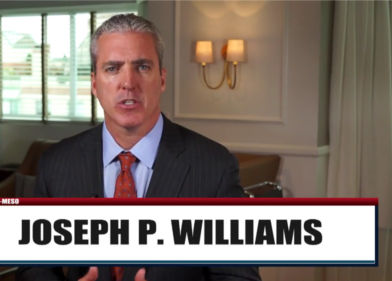
Joseph Williams


The Jones Act and Mesothelioma

You were a civilian seaman on private shipping line ships years ago and you now have developed mesothelioma. So what do you do about it? Hi, I’m Joe Williams. I’m a mesothelioma trial attorney and I want to talk to you about the asbestos exposures that civilian seamen experienced when working on these ships.

There’s a very important federal statute that applies to protect civilian seamen for their work on board ships and that’s The Jones Act. And The Jones Act is a federal statute that holds the owners of the ships responsible to the seaman for any unseaworthiness of the vessel. So, if the ship contained asbestos products that made the seaman sick with mesothelioma later in life that could be a claim that’s made under The Jones Act.

I want to talk to you about a particular client of mine who was actually a tugboat captain and this particular client was exposed to asbestos from the steam pipes from the boiler and equipment that drove the power to run the tugboat. And his experience is similar to that of a merchant marine sailor who could work in all the compartments in the ship including the engine room, and work around the boiler, and around the equipment, and work near steam pipes that were being repaired or maintained. All of these things creating asbestos dust that the seaman would breathe. And it’s that asbestos dust and that continual exposure – in the case of my client 40 years of exposure to asbestos dust on tugboats – it’s those exposures over a career as a seaman that allow that seaman, under The Jones Act – this federal statute – to bring the claim against his employer, the owner of the vessel. And a claim is brought for the illness – the mesothelioma diagnosis – which was caused by the exposure to asbestos those many, many years ago when the civilian seaman was on board that vessel breathing in the asbestos dust from his work on board ship.

I’m telling you all this because you have questions about mesothelioma and questions about the types of asbestos exposures that civilian seamen would face. I’m Joe Williams and at my office we deal with mesothelioma clients and their families every day, and we deal with these issues every single day. I invite you to give a call to my office, we’ll be happy to answer your questions. Thank you.

The Jones Act and Mesothelioma

You were a civilian seaman on private shipping line ships years ago and you now have developed mesothelioma. So what do you do about it? Hi, I’m Joe Williams. I’m a mesothelioma trial attorney and I want to talk to you about the asbestos exposures that civilian seamen experienced when working on these ships.

There’s a very important federal statute that applies to protect civilian seamen for their work on board ships and that’s The Jones Act. And The Jones Act is a federal statute that holds the owners of the ships responsible to the seaman for any unseaworthiness of the vessel. So, if the ship contained asbestos products that made the seaman sick with mesothelioma later in life that could be a claim that’s made under The Jones Act.

I want to talk to you about a particular client of mine who was actually a tugboat captain and this particular client was exposed to asbestos from the steam pipes from the boiler and equipment that drove the power to run the tugboat. And his experience is similar to that of a merchant marine sailor who could work in all the compartments in the ship including the engine room, and work around the boiler, and around the equipment, and work near steam pipes that were being repaired or maintained. All of these things creating asbestos dust that the seaman would breathe. And it’s that asbestos dust and that continual exposure – in the case of my client 40 years of exposure to asbestos dust on tugboats – it’s those exposures over a career as a seaman that allow that seaman, under The Jones Act – this federal statute – to bring the claim against his employer, the owner of the vessel. And a claim is brought for the illness – the mesothelioma diagnosis – which was caused by the exposure to asbestos those many, many years ago when the civilian seaman was on board that vessel breathing in the asbestos dust from his work on board ship.

I’m telling you all this because you have questions about mesothelioma and questions about the types of asbestos exposures that civilian seamen would face. I’m Joe Williams and at my office we deal with mesothelioma clients and their families every day, and we deal with these issues every single day. I invite you to give a call to my office, we’ll be happy to answer your questions. Thank you.

Jewelers Diagnosed with Mesothelioma | New York City Personal Injury

Joseph Williams


Jewelers Exposed to Asbestos

Did you know that jewelers could be exposed to asbestos from their work as a jeweler, and later in life be diagnosed with mesothelioma? Hi, I’m Joe Williams. I’m a mesothelioma trial attorney, and I want to talk to you about some of these asbestos exposures.

 When the Exposure Occurs

A jeweler would work on casting jewelry. In order to do that, they would do something called the lost wax method in which they would make a mold using wax in a container. The important part of this is that the container itself would be lined with an asbestos containing product, often an asbestos containing paper. That material would have to be cut and manipulated to get into the mold. The asbestos was used so that when the mold is put into the oven, it would stand the high heat of the oven during the molding process. The jeweler would be cutting this asbestos paper product exposing themselves to asbestos fibers and asbestos dust over the course of their career.

In addition to that, jewelers soldered jewelry. They did that on soldering boards, or pounding boards, made of an asbestos stone. The repeated use of this board made of stone over the course of time released asbestos dust that the jeweler would breath on a continual and daily basis. These exposures to asbestos can cause a jeweler to develop mesothelioma decades later, later in their life, even after their work has long stopped.

Now, I’m telling you this because you have questions about mesothelioma, and about what causes mesothelioma. I’m Joe Williams, and at my law firm we deal with these issues every day. We represent mesothelioma victims and their families each and every day. If you have questions, I invite you to contact our office, and we will answer your questions. Thank you.

Jewelers Exposed to Asbestos

Did you know that jewelers could be exposed to asbestos from their work as a jeweler, and later in life be diagnosed with mesothelioma? Hi, I’m Joe Williams. I’m a mesothelioma trial attorney, and I want to talk to you about some of these asbestos exposures.

 When the Exposure Occurs

A jeweler would work on casting jewelry. In order to do that, they would do something called the lost wax method in which they would make a mold using wax in a container. The important part of this is that the container itself would be lined with an asbestos containing product, often an asbestos containing paper. That material would have to be cut and manipulated to get into the mold. The asbestos was used so that when the mold is put into the oven, it would stand the high heat of the oven during the molding process. The jeweler would be cutting this asbestos paper product exposing themselves to asbestos fibers and asbestos dust over the course of their career.

In addition to that, jewelers soldered jewelry. They did that on soldering boards, or pounding boards, made of an asbestos stone. The repeated use of this board made of stone over the course of time released asbestos dust that the jeweler would breath on a continual and daily basis. These exposures to asbestos can cause a jeweler to develop mesothelioma decades later, later in their life, even after their work has long stopped.

Now, I’m telling you this because you have questions about mesothelioma, and about what causes mesothelioma. I’m Joe Williams, and at my law firm we deal with these issues every day. We represent mesothelioma victims and their families each and every day. If you have questions, I invite you to contact our office, and we will answer your questions. Thank you.

How Medical Malpractice Happens | Sayville Personal Injury

Edward Lake


Medical Malpractice in Sayville

Today on You Be The Judge. With hospitals being administered by fallible human beings, mistakes are inevitable. While hospitals have full disclosure agreements with their patients, you might be surprised to find out what happens after mistakes are made. The Center for Disease Control says tens of millions of people receive hospital services each year.

Examples of Malpractice

Over the decades the hospital industry has evolved and made necessary changes to protect patients. Nevertheless, hospitals are run by humans, and the unfortunate truth is that they make mistakes that put patients lives at risk. Researchers have long investigated medication errors. These errors show up in a variety of forms, including improper compounding the process of tailoring-made drugs for an individual, incorrectly writing out prescriptions, failing to monitor effects on patients, giving the wrong kind of medication, and administering too high or too low of a dosage.

Reporting Mistakes

A study led by Doctor Daniel Nussbaum showed that hospital employees are more likely to report mistakes under the protection of Blame-free anonymity. By giving these employees a safe environment to report mistakes, hospitals are then able to assess the reports and make appropriate changes. Before, they had very little information to work with. This progress is a good sign for both hospitals and patients.

Medication Errors Study

A recent study led by Doctor Assad Latif, examine medication errors and what happens afterward. Doctor Latif shared that, for the most part our findings were in keeping with what the existing literature tells us about the where and how of medication errors in a hospital. The most surprising finding was what we do about them.

Latif said about 98% of mistakes did not result in harming patients. However the patient and or their family is immediately informed when an error occurs barely 2% of the time despite literature supporting full disclosure and their desire to be promptly informed. Letting patients know about medication errors only 2% of the time sounds pretty scaring, doesn’t it?

Hospitals Make Mistakes

We should not assume that all medication errors threaten anyone’s well-being, or that the information would always be of importance to the patient. However, harmful mistakes do occur without patients knowing it. What do you think hospitals should do to ensure that the promised full disclosure is being fulfilled?

By: Edward Lake

Medical Malpractice in Sayville

Today on You Be The Judge. With hospitals being administered by fallible human beings, mistakes are inevitable. While hospitals have full disclosure agreements with their patients, you might be surprised to find out what happens after mistakes are made. The Center for Disease Control says tens of millions of people receive hospital services each year.

Examples of Malpractice

Over the decades the hospital industry has evolved and made necessary changes to protect patients. Nevertheless, hospitals are run by humans, and the unfortunate truth is that they make mistakes that put patients lives at risk. Researchers have long investigated medication errors. These errors show up in a variety of forms, including improper compounding the process of tailoring-made drugs for an individual, incorrectly writing out prescriptions, failing to monitor effects on patients, giving the wrong kind of medication, and administering too high or too low of a dosage.

Reporting Mistakes

A study led by Doctor Daniel Nussbaum showed that hospital employees are more likely to report mistakes under the protection of Blame-free anonymity. By giving these employees a safe environment to report mistakes, hospitals are then able to assess the reports and make appropriate changes. Before, they had very little information to work with. This progress is a good sign for both hospitals and patients.

Medication Errors Study

A recent study led by Doctor Assad Latif, examine medication errors and what happens afterward. Doctor Latif shared that, for the most part our findings were in keeping with what the existing literature tells us about the where and how of medication errors in a hospital. The most surprising finding was what we do about them.

Latif said about 98% of mistakes did not result in harming patients. However the patient and or their family is immediately informed when an error occurs barely 2% of the time despite literature supporting full disclosure and their desire to be promptly informed. Letting patients know about medication errors only 2% of the time sounds pretty scaring, doesn’t it?

Hospitals Make Mistakes

We should not assume that all medication errors threaten anyone’s well-being, or that the information would always be of importance to the patient. However, harmful mistakes do occur without patients knowing it. What do you think hospitals should do to ensure that the promised full disclosure is being fulfilled?

By: Edward Lake

Manhattan Workers Vulnerable to Asbestos | New York City Personal Injury

Joseph Williams


Manhattan Workers Vulnerable to Asbestos

You’ve been diagnosed with mesothelioma, and you worked in Manhattan, in New York City, New York. And you’re wondering, where did you get this disease from? Hi. I’m Joe Williams. I’m a mesothelioma trial attorney, and I am in New York City, New York.

I have some information for you about asbestos exposure sites in Manhattan. Now, every discussion about asbestos exposure in Manhattan starts with a discussion about building and construction. Here in New York City, the skyscrapers and the Manhattan skyline that we all know so well, were built primarily throughout the course of the last century.

Where The Exposure Came From

The World Trade Center was built in the late ’60s and into the 1970s, and at the time was the largest construction project in the world, creating the tallest buildings in the world at the time. The Brooklyn Navy Yard is just a stone’s throw away across the East River to Brooklyn.

Where ships were constructed and built using all manner of asbestos products. Other famous buildings like the Empire State Building and the Chrysler Building, as well as lesser known high-rises, multi multi story buildings were constructed during the course of the last century with union tradesmen’s hands, which exposed those workers to asbestos dust.

Large hospitals, perhaps even hospitals that you are being treated at such as Memorial Sloan Kettering, New York-Presbyterian, Weill Cornell, NYU, Columbia Presbyterian. These hospitals are large medical facilities which were built during the course of the past century.

The subway and transit system, has been built and worked on during the course of the last century by union hands. All of this work exposed workers to asbestos. Now you have mesothelioma, and if you worked in New York City, you could have been exposed at these job sites.

We have information about these job sites and about asbestos exposure. I’m Joe Williams, and at our firm we handle cases for mesothelioma victims and their families every day. If you have questions, we can answer those questions. I invite you to look at the number on the screen below, and give us a call. We’ll answer your questions. Thank you.

Manhattan Workers Vulnerable to Asbestos

You’ve been diagnosed with mesothelioma, and you worked in Manhattan, in New York City, New York. And you’re wondering, where did you get this disease from? Hi. I’m Joe Williams. I’m a mesothelioma trial attorney, and I am in New York City, New York.

I have some information for you about asbestos exposure sites in Manhattan. Now, every discussion about asbestos exposure in Manhattan starts with a discussion about building and construction. Here in New York City, the skyscrapers and the Manhattan skyline that we all know so well, were built primarily throughout the course of the last century.

Where The Exposure Came From

The World Trade Center was built in the late ’60s and into the 1970s, and at the time was the largest construction project in the world, creating the tallest buildings in the world at the time. The Brooklyn Navy Yard is just a stone’s throw away across the East River to Brooklyn.

Where ships were constructed and built using all manner of asbestos products. Other famous buildings like the Empire State Building and the Chrysler Building, as well as lesser known high-rises, multi multi story buildings were constructed during the course of the last century with union tradesmen’s hands, which exposed those workers to asbestos dust.

Large hospitals, perhaps even hospitals that you are being treated at such as Memorial Sloan Kettering, New York-Presbyterian, Weill Cornell, NYU, Columbia Presbyterian. These hospitals are large medical facilities which were built during the course of the past century.

The subway and transit system, has been built and worked on during the course of the last century by union hands. All of this work exposed workers to asbestos. Now you have mesothelioma, and if you worked in New York City, you could have been exposed at these job sites.

We have information about these job sites and about asbestos exposure. I’m Joe Williams, and at our firm we handle cases for mesothelioma victims and their families every day. If you have questions, we can answer those questions. I invite you to look at the number on the screen below, and give us a call. We’ll answer your questions. Thank you.

Staten Island Workers Diagnosed with Mesothelioma | New York City Personal Injury

Joseph Williams


Staten Island Asbestos Exposure

You’ve been diagnosed with mesothelioma, and you worked on Staten Island, and you’re wondering, “How did you get this disease?” Hi, I’m Joe Williams. I’m a mesothelioma trial attorney, and I could give you some information about how workers were exposed to asbestos on Staten Island. We know that on Staten Island there’s a major Con Edison powerhouse – the Arthur Kill Powerhouse – wherein, electrical power is generated, and steam lines are coded and covered with asbestos, and there’s asbestos products that was used throughout this powerhouse, which exposed the workers – who worked at the powerhouse – to asbestos. At the mouth of Newark Bay, was the Bethlehem Steel Shipyard, where large ships were built and repaired. That work involved the use of asbestos products by all the tradesman who worked on those ships.

 Housing Boom Increased Exposure

During the course of the last century, there was a housing boom, and Staten Island was built up to become a very populated borough. In order to do that, homes, apartment buildings, and even government housing projects were built on Staten Island. All of that work was done by tradesmen – the union tradesmen, non-union tradesmen – and it involved the use of asbestos products in the building of all of those residential structures.

Now, you’ve been diagnosed with mesothelioma, and I’m sure you have questions about asbestos and asbestos exposure. I’m Joe Williams, and at our firm, we answer questions from mesothelioma victims and their families every day. I invite you to give our office a call, and we’ll answer your questions. Thank you.

Staten Island Asbestos Exposure

You’ve been diagnosed with mesothelioma, and you worked on Staten Island, and you’re wondering, “How did you get this disease?” Hi, I’m Joe Williams. I’m a mesothelioma trial attorney, and I could give you some information about how workers were exposed to asbestos on Staten Island. We know that on Staten Island there’s a major Con Edison powerhouse – the Arthur Kill Powerhouse – wherein, electrical power is generated, and steam lines are coded and covered with asbestos, and there’s asbestos products that was used throughout this powerhouse, which exposed the workers – who worked at the powerhouse – to asbestos. At the mouth of Newark Bay, was the Bethlehem Steel Shipyard, where large ships were built and repaired. That work involved the use of asbestos products by all the tradesman who worked on those ships.

 Housing Boom Increased Exposure

During the course of the last century, there was a housing boom, and Staten Island was built up to become a very populated borough. In order to do that, homes, apartment buildings, and even government housing projects were built on Staten Island. All of that work was done by tradesmen – the union tradesmen, non-union tradesmen – and it involved the use of asbestos products in the building of all of those residential structures.

Now, you’ve been diagnosed with mesothelioma, and I’m sure you have questions about asbestos and asbestos exposure. I’m Joe Williams, and at our firm, we answer questions from mesothelioma victims and their families every day. I invite you to give our office a call, and we’ll answer your questions. Thank you.

Electrician Diagnosed With Mesothelioma | New York City Personal Injury

Joseph Williams


Electrician Diagnosed with Mesothelioma

You’ve worked as an electrician, and you’ve been diagnosed with mesothelioma. You’re trying to figure out, “How did you get this disease?” Hi, I’m Joe Williams. I’m a mesothelioma trial attorney, and I want to talk to you about the types of exposures to asbestos that electricians faced. Now, in order to do that, I want to talk to you about a former client of mine who’s a member of Local 3, which is the electrician’s union here in New York, where we’re shooting this video right now. This particular client was diagnosed with mesothelioma, and he was exposed to asbestos in a lot of different ways. He worked with electrical panel boards, which controlled the electricity for a residential or commercial space. That’s where the electric current comes in from the street, and it is sent out through the switches to the building. In the back of the panel boards was asbestos containing Bakelite, that acted as a insulator between the busbar and the switches. From time to time, he’d have to drill or cut through that Bakelite, to fabricate the panel boards or to install and remove them.

 Where Does Asbestos Exposure Occur

He was exposed to dust from cutting the Bakelite. He also worked throughout the course of his career with switches – switches and arc chutes – which had asbestos components. Again, part of it was Bakelite, which he had to manipulate and cut during repair work, which exposed him to asbestos. This former client of mine dealt with large switchgear, which had asbestos components, as well as, large transformers, which had asbestos gaskets that had to be replaced each time the transformer was opened. He also pulled and cut wire that was insulated with asbestos insulation. All of these things throughout the course of an entire working career exposed him to asbestos on a continual daily basis. As a result of those exposures, he developed mesothelioma. Now, his mesothelioma was diagnosed many, many years after he stopped working, and that’s because– and the doctors who evaluated his case said the same thing. The exposure to asbestos, even though, many years prior, caused the mesothelioma decades later. It’s because there’s a period between 20 and 60 years – in some cases – of time between the time of exposure, and the time of diagnosis in mesothelioma.

Why am I telling you this? Because you have questions about mesothelioma. I’m Joe Williams. At our office, we deal with these issues every day. Call our office, we’ll answer your questions. Thank you.

Electrician Diagnosed with Mesothelioma

You’ve worked as an electrician, and you’ve been diagnosed with mesothelioma. You’re trying to figure out, “How did you get this disease?” Hi, I’m Joe Williams. I’m a mesothelioma trial attorney, and I want to talk to you about the types of exposures to asbestos that electricians faced. Now, in order to do that, I want to talk to you about a former client of mine who’s a member of Local 3, which is the electrician’s union here in New York, where we’re shooting this video right now. This particular client was diagnosed with mesothelioma, and he was exposed to asbestos in a lot of different ways. He worked with electrical panel boards, which controlled the electricity for a residential or commercial space. That’s where the electric current comes in from the street, and it is sent out through the switches to the building. In the back of the panel boards was asbestos containing Bakelite, that acted as a insulator between the busbar and the switches. From time to time, he’d have to drill or cut through that Bakelite, to fabricate the panel boards or to install and remove them.

 Where Does Asbestos Exposure Occur

He was exposed to dust from cutting the Bakelite. He also worked throughout the course of his career with switches – switches and arc chutes – which had asbestos components. Again, part of it was Bakelite, which he had to manipulate and cut during repair work, which exposed him to asbestos. This former client of mine dealt with large switchgear, which had asbestos components, as well as, large transformers, which had asbestos gaskets that had to be replaced each time the transformer was opened. He also pulled and cut wire that was insulated with asbestos insulation. All of these things throughout the course of an entire working career exposed him to asbestos on a continual daily basis. As a result of those exposures, he developed mesothelioma. Now, his mesothelioma was diagnosed many, many years after he stopped working, and that’s because– and the doctors who evaluated his case said the same thing. The exposure to asbestos, even though, many years prior, caused the mesothelioma decades later. It’s because there’s a period between 20 and 60 years – in some cases – of time between the time of exposure, and the time of diagnosis in mesothelioma.

Why am I telling you this? Because you have questions about mesothelioma. I’m Joe Williams. At our office, we deal with these issues every day. Call our office, we’ll answer your questions. Thank you.

Hip Replacement Complications - Metal on Metal | Sayville Mass Tort

Edward Lake


The Risks of Hip Replacements

Today on You Be The Judge. Are hip implants putting toxic debris in people’s bloodstream? Could a major corporation have hidden its expectation that 37% of its hip replacements would fail? An estimated 500,000 Americans have received metal-on-metal hip replacements for Arthritis, fractures, and other conditions that cause everyday pain. This type of hip implant is called metal-on-metal because both the ball and socket are metal composed of Cobalt, Chromium alloys.

Metal on Metal Hip Replacements

Now let’s stop right there. Imagine two pieces of metal grinding against each other in your body. According to the FDA, this grinding from a metal-on-metal hip implant can release small metallic debris into the body. This lingering debris can raise the body’s toxicity levels, and for one 66-years-old man, this implant raised his body’s levels of Cobalt and Chromium seven times normal.     Testimony was heard in the Los Angeles Superior Court, and this first lawsuit to go to trial involving Johnson & Johnson’s all metal hip replacements.

Johnson & Johnson Hip Replacements

The manufacturer is alleged to have known about defects including the risk of Cobalt and Chromium poisoning due to the metal debris before they even started selling the implants in 2004, but there’s more. A Johnson & Johnson study presented at trial showed that the company itself had estimated the 37% of the devices would fail within five years of implant surgery. 37%, that’s almost 4 in 10.     Stop for a moment and imagine that you yourself needed a hip implant.

First of all, you would be dealing with a great deal of physical pain on a daily basis. You would have a hard time doing ordinary tasks like going to answer a knock at the front door or sweeping the back steps. Your doctor recommends a hip replacement, and after talking it over with your friends and family, you decide to undergo this intensive surgery. Afterward you go through a period of recovery, but it is well worth it because you can now go on with your life living like you are used to, at least for a while.

You begin having problems, and you are told that your hip implant is failing, and you need to be operated on again to remove the hip replacement. Then one day, you find out that the manufacturer had estimated that 37% of their products would fail within five years. Legally, Johnson & Johnson can withhold this kind of information from you, but should they? Should corporations release this kind of information to candidates for major surgeries?

By: Edward Lake

The Risks of Hip Replacements

Today on You Be The Judge. Are hip implants putting toxic debris in people’s bloodstream? Could a major corporation have hidden its expectation that 37% of its hip replacements would fail? An estimated 500,000 Americans have received metal-on-metal hip replacements for Arthritis, fractures, and other conditions that cause everyday pain. This type of hip implant is called metal-on-metal because both the ball and socket are metal composed of Cobalt, Chromium alloys.

Metal on Metal Hip Replacements

Now let’s stop right there. Imagine two pieces of metal grinding against each other in your body. According to the FDA, this grinding from a metal-on-metal hip implant can release small metallic debris into the body. This lingering debris can raise the body’s toxicity levels, and for one 66-years-old man, this implant raised his body’s levels of Cobalt and Chromium seven times normal.     Testimony was heard in the Los Angeles Superior Court, and this first lawsuit to go to trial involving Johnson & Johnson’s all metal hip replacements.

Johnson & Johnson Hip Replacements

The manufacturer is alleged to have known about defects including the risk of Cobalt and Chromium poisoning due to the metal debris before they even started selling the implants in 2004, but there’s more. A Johnson & Johnson study presented at trial showed that the company itself had estimated the 37% of the devices would fail within five years of implant surgery. 37%, that’s almost 4 in 10.     Stop for a moment and imagine that you yourself needed a hip implant.

First of all, you would be dealing with a great deal of physical pain on a daily basis. You would have a hard time doing ordinary tasks like going to answer a knock at the front door or sweeping the back steps. Your doctor recommends a hip replacement, and after talking it over with your friends and family, you decide to undergo this intensive surgery. Afterward you go through a period of recovery, but it is well worth it because you can now go on with your life living like you are used to, at least for a while.

You begin having problems, and you are told that your hip implant is failing, and you need to be operated on again to remove the hip replacement. Then one day, you find out that the manufacturer had estimated that 37% of their products would fail within five years. Legally, Johnson & Johnson can withhold this kind of information from you, but should they? Should corporations release this kind of information to candidates for major surgeries?

By: Edward Lake

Continuing A Mesothelioma Case Post-Mortem | New York City Personal Injury

Joseph Williams


Case Continuing After Victim’s Death

Does a mesothelioma victim’s case continue if unfortunately they pass away during the pendency of the case? Hi, I’m Joe Williams. I’m a mesothelioma trial attorney in New York City, and I can tell you that the answer to this question is “yes”. There’s a process in place in the courts in New York, and in really all states, wherein a litigant who brings a case, if they are unfortunate enough to pass away during the pendency of the case, the court can substitute someone in their place to carry on the case to it’s conclusion.

 Surrogate’s Court

Generally what happens is an application is made to a different court, it’s called the surrogate’s court. This other court, this surrogate’s court, when I say this other court, it’s not the same court where the case is brought. It’s a court that deals specifically with these things, that’s why it’s called the surrogate’s court. The surrogate’s court will decide who it is that stands in the shoes of the person who passed away, the person who brought the case. The asbestos exposed worker who passed away from mesothelioma.

The surrogate’s court will make this decision based upon a few things. The most important of which is a will. If the person who died had a will, and appointed an executor, well the surrogate’s court will certainly take that into account, and in many circumstances appoints that executor as the person who’s in charge of the civil case, of the mesothelioma case, to bring it to its conclusion. If the person who died did not have a will, well the surrogate’s court makes a determination based upon all the facts, and all the circumstances, as to who should stand in the shoes of that now passed away person. The surrogate court will issue an order stating who it is who will take the place of the person who passed away. It’s typically a family member, a spouse, or the children, and the surrogate’s court decides this based upon all the information, but it’s typically a family member.

The bottom line is that the case can continue after the victim of mesothelioma’s death. Any settlement money, or any money from a judgment or verdict, goes to that person’s spouse, or their family members. I’m sure you have many more questions about this topic as it relates to mesothelioma cases. I’m Joe Williams. I encourage you to call my office at the number listed below. We handle these cases every day. We represent victims of mesothelioma each and every day, and we’d be happy to answer your questions. Thanks.

Case Continuing After Victim’s Death

Does a mesothelioma victim’s case continue if unfortunately they pass away during the pendency of the case? Hi, I’m Joe Williams. I’m a mesothelioma trial attorney in New York City, and I can tell you that the answer to this question is “yes”. There’s a process in place in the courts in New York, and in really all states, wherein a litigant who brings a case, if they are unfortunate enough to pass away during the pendency of the case, the court can substitute someone in their place to carry on the case to it’s conclusion.

 Surrogate’s Court

Generally what happens is an application is made to a different court, it’s called the surrogate’s court. This other court, this surrogate’s court, when I say this other court, it’s not the same court where the case is brought. It’s a court that deals specifically with these things, that’s why it’s called the surrogate’s court. The surrogate’s court will decide who it is that stands in the shoes of the person who passed away, the person who brought the case. The asbestos exposed worker who passed away from mesothelioma.

The surrogate’s court will make this decision based upon a few things. The most important of which is a will. If the person who died had a will, and appointed an executor, well the surrogate’s court will certainly take that into account, and in many circumstances appoints that executor as the person who’s in charge of the civil case, of the mesothelioma case, to bring it to its conclusion. If the person who died did not have a will, well the surrogate’s court makes a determination based upon all the facts, and all the circumstances, as to who should stand in the shoes of that now passed away person. The surrogate court will issue an order stating who it is who will take the place of the person who passed away. It’s typically a family member, a spouse, or the children, and the surrogate’s court decides this based upon all the information, but it’s typically a family member.

The bottom line is that the case can continue after the victim of mesothelioma’s death. Any settlement money, or any money from a judgment or verdict, goes to that person’s spouse, or their family members. I’m sure you have many more questions about this topic as it relates to mesothelioma cases. I’m Joe Williams. I encourage you to call my office at the number listed below. We handle these cases every day. We represent victims of mesothelioma each and every day, and we’d be happy to answer your questions. Thanks.

Peripheral Neuropathy Causation | Sayville Personal Injury

Sample - Corporate Package


Causation of Peripheral Neuropathy

Antibiotics. They are among the most important discoveries of the twentieth century. They have saved millions of lives, but the rampant over-prescription of certain antibiotics is leaving many patients disabled for months, even years with an affliction called peripheral neuropathy (learn details at neuropathyreliefguide.com/nerve-renew-review/). These antibiotics are fluoroquinolones. They include drugs like Avelox, Cipro, and Levaquin, some of the most powerful medications on the market.

Many professionals consider quinolones the last line of defense against major infections. However, instead of being reserved for serious or life-threatening bacterial infections, such as hospital-acquired pneumonia, these antibiotics are frequently prescribed for lesser problems like sinus infections, bronchitis, ear infections, and other ailments that can be treated with less potent drugs.

Doctor David Flockheart Research

Doctor David Flockheart, a leading fluoroquinolone expert at the Indiana University School of Medicine explains, “You don’t use these big guns for killing mosquitoes. You should use them appropriately for big infections. A few doses can leave the patient disabled with peripheral neuropathy for months, even years.” One young woman shared, “I was prescribed Levaquin for a sinus infection. On the fifth day I couldn’t get out of bed. I was 16. I wanted to be an animation artist. I couldn’t even pick up a pencil. I ended up in a wheelchair for six-and-a-half years.”

Peripheral neuropathy happens with the nerves that carry information from the brain to the central nervous system are damaged resulting in weakness, numbness, lack of coordination, sharp burning or stabbing pain, and many other side effects.


Doctor Jay Cohen Research

Researcher, Doctor Jay Cohen, said in 2001 that the side effects are, “devastating.” He went on to say, “Many of the people in my study were healthy before their reactions. Some were high-intensity athletes. Suddenly, they were disabled, in terrible pain, unable to work, walk, or sleep.” But it wasn’t until 2013 did the FDA require drug makers to list peripheral neuropathy as a side effect. This came 12 years after the connection had already been made. To make matters worse, studies have shown that as many as 40% of prescriptions for these antibiotics are unnecessary.

Have the Risks of Antibiotics Affected You or Loved Ones?

Share this video with your friends and family to raise awareness. While fluoroquinolones play an important medical role, everyone should be made aware of the risks associated with them. One victim shared, “I used to love to dance. Now I can hardly make it through one song on the dance floor.” Share this video to protect your loved ones so they can dance if they want to.

If you believe you or a loved one has suffered peripheral neuropathy as a result of Avelox, Cipro, or Levaquin call and speak with a legal representative immediately. The manufacturers of these drugs may be required to compensate victims, and it won’t cost you a dime to find out if you qualify. Call today at 888-LAW-8500. That’s 888-529-8500 or visit us online at lawyersusa.com/antibiotics.

By: Steven Gacovino

Causation of Peripheral Neuropathy

Antibiotics. They are among the most important discoveries of the twentieth century. They have saved millions of lives, but the rampant over-prescription of certain antibiotics is leaving many patients disabled for months, even years with an affliction called peripheral neuropathy (learn details at neuropathyreliefguide.com/nerve-renew-review/). These antibiotics are fluoroquinolones. They include drugs like Avelox, Cipro, and Levaquin, some of the most powerful medications on the market.

Many professionals consider quinolones the last line of defense against major infections. However, instead of being reserved for serious or life-threatening bacterial infections, such as hospital-acquired pneumonia, these antibiotics are frequently prescribed for lesser problems like sinus infections, bronchitis, ear infections, and other ailments that can be treated with less potent drugs.

Doctor David Flockheart Research

Doctor David Flockheart, a leading fluoroquinolone expert at the Indiana University School of Medicine explains, “You don’t use these big guns for killing mosquitoes. You should use them appropriately for big infections. A few doses can leave the patient disabled with peripheral neuropathy for months, even years.” One young woman shared, “I was prescribed Levaquin for a sinus infection. On the fifth day I couldn’t get out of bed. I was 16. I wanted to be an animation artist. I couldn’t even pick up a pencil. I ended up in a wheelchair for six-and-a-half years.”

Peripheral neuropathy happens with the nerves that carry information from the brain to the central nervous system are damaged resulting in weakness, numbness, lack of coordination, sharp burning or stabbing pain, and many other side effects.


Doctor Jay Cohen Research

Researcher, Doctor Jay Cohen, said in 2001 that the side effects are, “devastating.” He went on to say, “Many of the people in my study were healthy before their reactions. Some were high-intensity athletes. Suddenly, they were disabled, in terrible pain, unable to work, walk, or sleep.” But it wasn’t until 2013 did the FDA require drug makers to list peripheral neuropathy as a side effect. This came 12 years after the connection had already been made. To make matters worse, studies have shown that as many as 40% of prescriptions for these antibiotics are unnecessary.

Have the Risks of Antibiotics Affected You or Loved Ones?

Share this video with your friends and family to raise awareness. While fluoroquinolones play an important medical role, everyone should be made aware of the risks associated with them. One victim shared, “I used to love to dance. Now I can hardly make it through one song on the dance floor.” Share this video to protect your loved ones so they can dance if they want to.

If you believe you or a loved one has suffered peripheral neuropathy as a result of Avelox, Cipro, or Levaquin call and speak with a legal representative immediately. The manufacturers of these drugs may be required to compensate victims, and it won’t cost you a dime to find out if you qualify. Call today at 888-LAW-8500. That’s 888-529-8500 or visit us online at lawyersusa.com/antibiotics.

By: Steven Gacovino

Personal Injury lawyers listing in .