New York Personal Injury Laws

Risk & Litigation Involving Transvaginal Mesh | Sayville

Steven Gacovino


Cases Involving Transvaginal Mesh

When you go to a doctor, you usually assume the solutions they recommend won’t hurt you, and if there are risks you expect them to tell you so. But no matter how well-intentioned medical professionals are, the safety of their recommendations depends on the source of their information. Consider cases involving the transvaginal mesh patch.

When this medical implant came on the market it was celebrated as a solution to pelvic organ prolapse and stress urinary incontinence in women. As with all such products, much of the marketing targeted doctors. Manufacturers showed the research they conducted and recommended this new device as a quality solution for the doctors’ patients. Doctors studied the information they were given and did their best to understand the risks and benefits, but when a device is first put on the market little is actually known about it. Going off of what information they’ve been given, doctors concluded whether they believe this product would be good for their patients.

What Manufactures Do Not Tell Consumers

Manufacturers of such products are expected to disclose the related risks, but sometimes manufacturers haven’t conducted enough research to know all the risks and other times they simply hide some of what they do know leaving doctors and patients with only part of the story. The transvaginal mesh patch turned out to be a product with many problems. Six women have already taken these companies to court and the juries have found in favor of the women.

In fact, juries have been so disgusted that they have ordered these big corporations to pay penalties. Because of this implant women have suffered the following problems: mesh erosion; when the mesh erodes and protrudes through the vaginal wall, organ perforation; when the mesh erodes and cuts other organs such as the bladder, extreme pain, POP or SCOI recurrence, urinary problems, scarring of the vagina, infection, bleeding, nerve damage, and pain associated with sex. Many women have undergone multiple surgeries, sometimes more than a dozen follow-up surgeries because of the pain and damage caused by the implants.

Endo & Ethicon Litigation

One manufacturer, Endo, has already begun the settlement process with many thousands of patients. Another manufacturer, Ethicon, has already settled a case of their own. All cases like this have a limited timeline for filing complaints so victims can be compensated. We don’t know the exact timeline, but with Endo wrapping things up with victims of their implant we can only recommend that you move quickly to ensure that your case is positioned for the best possible result. We know this is a personal topic and can be difficult to talk about.

If you’ve been injured by the transvaginal mesh patch, we invite you to call us. Our team is here for you. We do care about you and we want to help you determine whether you can be compensated for your losses, and you don’t need to worry about any fees. If we take a case on your behalf we will only get paid if and when you do. Call today for a free consultation at 888-LAW-8500. That’s 888-529-8500.

By: Steven Gacovino

Cases Involving Transvaginal Mesh

When you go to a doctor, you usually assume the solutions they recommend won’t hurt you, and if there are risks you expect them to tell you so. But no matter how well-intentioned medical professionals are, the safety of their recommendations depends on the source of their information. Consider cases involving the transvaginal mesh patch.

When this medical implant came on the market it was celebrated as a solution to pelvic organ prolapse and stress urinary incontinence in women. As with all such products, much of the marketing targeted doctors. Manufacturers showed the research they conducted and recommended this new device as a quality solution for the doctors’ patients. Doctors studied the information they were given and did their best to understand the risks and benefits, but when a device is first put on the market little is actually known about it. Going off of what information they’ve been given, doctors concluded whether they believe this product would be good for their patients.

What Manufactures Do Not Tell Consumers

Manufacturers of such products are expected to disclose the related risks, but sometimes manufacturers haven’t conducted enough research to know all the risks and other times they simply hide some of what they do know leaving doctors and patients with only part of the story. The transvaginal mesh patch turned out to be a product with many problems. Six women have already taken these companies to court and the juries have found in favor of the women.

In fact, juries have been so disgusted that they have ordered these big corporations to pay penalties. Because of this implant women have suffered the following problems: mesh erosion; when the mesh erodes and protrudes through the vaginal wall, organ perforation; when the mesh erodes and cuts other organs such as the bladder, extreme pain, POP or SCOI recurrence, urinary problems, scarring of the vagina, infection, bleeding, nerve damage, and pain associated with sex. Many women have undergone multiple surgeries, sometimes more than a dozen follow-up surgeries because of the pain and damage caused by the implants.

Endo & Ethicon Litigation

One manufacturer, Endo, has already begun the settlement process with many thousands of patients. Another manufacturer, Ethicon, has already settled a case of their own. All cases like this have a limited timeline for filing complaints so victims can be compensated. We don’t know the exact timeline, but with Endo wrapping things up with victims of their implant we can only recommend that you move quickly to ensure that your case is positioned for the best possible result. We know this is a personal topic and can be difficult to talk about.

If you’ve been injured by the transvaginal mesh patch, we invite you to call us. Our team is here for you. We do care about you and we want to help you determine whether you can be compensated for your losses, and you don’t need to worry about any fees. If we take a case on your behalf we will only get paid if and when you do. Call today for a free consultation at 888-LAW-8500. That’s 888-529-8500.

By: Steven Gacovino

Iron Workers Exposed to Asbestos | New York City Personal injury

Joseph Williams


Iron Workers at the World Trade Center

Did you know that iron workers that worked at the World Trade Center during its construction were exposed to asbestos? Hi, I’m Joe Williams. I’m a mesothelioma trial attorney based in New York City and I could give you information about how iron workers were exposed to asbestos at the World Trade Center site during its construction.

 How Did They Get Exposed to Asbestos

Iron workers installed the steel eye beams that formed the metal framework of the buildings that composed the World Trade Center site. Those same steel beams were sprayed with asbestos-containing fireproofing spray. This fireproofing came in dry powder form. It was mixed with water and put into a gun and sprayed on the metal beams. The iron workers were nearby when that was happening – when the fireproofing was being sprayed into the air. That same fireproofing dried onto those beams. And iron workers, it would also be part of their duty to come back and with the overhead beams to install metal hangers onto them so that a drop ceiling could later be installed. Well, to install those metal hangers they had to scrape off that dry fireproofing causing asbestos dust which they breathe again.

Also iron workers, sometimes ornamental iron workers, did what’s called finishing work – things like railings throughout the World Trade Center – when other trades were doing their work. Work such as putting up sheetrock walls, or putting in floor tiles. These building materials contained asbestos. Now while the iron workers were doing their work the work of the other trades were exposing them to asbestos. Iron workers were exposed to asbestos dust in great quantities at the World Trade Center site during its construction.

Now you have mesothelioma and you have questions about asbestos exposure and about the World Trade Center site. I’m Joe Williams and at our firm we handle cases from mesothelioma victims and their families every day. I invite you to give us a call and we will answer your questions. Thank you.

Iron Workers at the World Trade Center

Did you know that iron workers that worked at the World Trade Center during its construction were exposed to asbestos? Hi, I’m Joe Williams. I’m a mesothelioma trial attorney based in New York City and I could give you information about how iron workers were exposed to asbestos at the World Trade Center site during its construction.

 How Did They Get Exposed to Asbestos

Iron workers installed the steel eye beams that formed the metal framework of the buildings that composed the World Trade Center site. Those same steel beams were sprayed with asbestos-containing fireproofing spray. This fireproofing came in dry powder form. It was mixed with water and put into a gun and sprayed on the metal beams. The iron workers were nearby when that was happening – when the fireproofing was being sprayed into the air. That same fireproofing dried onto those beams. And iron workers, it would also be part of their duty to come back and with the overhead beams to install metal hangers onto them so that a drop ceiling could later be installed. Well, to install those metal hangers they had to scrape off that dry fireproofing causing asbestos dust which they breathe again.

Also iron workers, sometimes ornamental iron workers, did what’s called finishing work – things like railings throughout the World Trade Center – when other trades were doing their work. Work such as putting up sheetrock walls, or putting in floor tiles. These building materials contained asbestos. Now while the iron workers were doing their work the work of the other trades were exposing them to asbestos. Iron workers were exposed to asbestos dust in great quantities at the World Trade Center site during its construction.

Now you have mesothelioma and you have questions about asbestos exposure and about the World Trade Center site. I’m Joe Williams and at our firm we handle cases from mesothelioma victims and their families every day. I invite you to give us a call and we will answer your questions. Thank you.
Pharmeceutical Companies Hiding Medical Research - Reboxetine | Sayville Mass Tort

Edward Lake


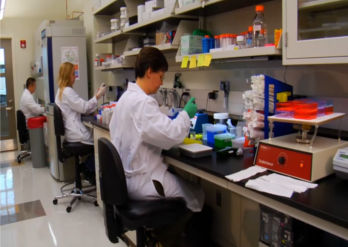
Do Pharmaceutical Companies Hide Negative Test Results?

Today on You be the Judge. Do pharmaceutical companies have the ability to control which studies are published about their drugs? Can studies showing bad results be hidden? Are doctors being misled about the benefits of some drugs? Modern medicine has worked many wonders, and helped millions, perhaps billions of people worldwide. Due to the profitability of drug manufacturing, pharmaceutical companies are able to afford expensive, in-depth research, to develop new medications that save people from devastating and life-threatening health problems.

When drug makers seek to create new medicines, they fund extensive research and testing, before releasing the medications on the market. Doctors then rely on this research, to decide for themselves, whether the drug is suitable for their patients. As a patient, you are then given information to decide whether you are comfortable with the potential side effects. But there is a problem. Drug makers are the ones funding and conducting the studies that validate their products.

Research Disproving Pharmaceutical Claims

Award winning physician and writer, Dr. Ben Goldacre, has compiled extensive research by experts from around the world, into his most recent book, Bad Pharma. Dr. Goldacre explained that researchers outside of the pharmaceutical industry have been examining the studies provided by drug makers, and comparing the reported results, with those found in independently-funded trials. These researchers found that the industry-funded trials produced a significantly higher rate of favorable outcomes for their drugs, than did the trials that were funded independently.

Reboxetine Example

Here’s another example of how the flow of information is distorted. Reboxetine is an antidepressant used to treat depression, anxiety, panic disorders, and ADD/ADHD. At one point, it was considered to be one of the most effective drugs of its kind and was prescribed worldwide. Later, researchers gathered the data on all the trials ever conducted on Reboxetine. Dr. Goldacre shows that out of the seven trials comparing Reboxetine against a placebo, only one yielded a positive result, and this was the only one published in an academic journal. The other six trials, all using substantially larger samples of patients, showed that Reboxetine was no better than the placebo sugar pill. Many other studies on Reboxetine were never published, including those that showed its negative side effects maybe worse than other competing drugs.

Originally, doctors, including Dr. Goldacre, reviewed the published trials to determine if Reboxetine was effective and good for their patients, unaware of the other studies that found the drug to be non-beneficial. From a legal standpoint, drug makers are doing nothing wrong by withholding test results. But what do you think about this?

By: Edward Lake

Do Pharmaceutical Companies Hide Negative Test Results?

Today on You be the Judge. Do pharmaceutical companies have the ability to control which studies are published about their drugs? Can studies showing bad results be hidden? Are doctors being misled about the benefits of some drugs? Modern medicine has worked many wonders, and helped millions, perhaps billions of people worldwide. Due to the profitability of drug manufacturing, pharmaceutical companies are able to afford expensive, in-depth research, to develop new medications that save people from devastating and life-threatening health problems.

When drug makers seek to create new medicines, they fund extensive research and testing, before releasing the medications on the market. Doctors then rely on this research, to decide for themselves, whether the drug is suitable for their patients. As a patient, you are then given information to decide whether you are comfortable with the potential side effects. But there is a problem. Drug makers are the ones funding and conducting the studies that validate their products.

Research Disproving Pharmaceutical Claims

Award winning physician and writer, Dr. Ben Goldacre, has compiled extensive research by experts from around the world, into his most recent book, Bad Pharma. Dr. Goldacre explained that researchers outside of the pharmaceutical industry have been examining the studies provided by drug makers, and comparing the reported results, with those found in independently-funded trials. These researchers found that the industry-funded trials produced a significantly higher rate of favorable outcomes for their drugs, than did the trials that were funded independently.

Reboxetine Example

Here’s another example of how the flow of information is distorted. Reboxetine is an antidepressant used to treat depression, anxiety, panic disorders, and ADD/ADHD. At one point, it was considered to be one of the most effective drugs of its kind and was prescribed worldwide. Later, researchers gathered the data on all the trials ever conducted on Reboxetine. Dr. Goldacre shows that out of the seven trials comparing Reboxetine against a placebo, only one yielded a positive result, and this was the only one published in an academic journal. The other six trials, all using substantially larger samples of patients, showed that Reboxetine was no better than the placebo sugar pill. Many other studies on Reboxetine were never published, including those that showed its negative side effects maybe worse than other competing drugs.

Originally, doctors, including Dr. Goldacre, reviewed the published trials to determine if Reboxetine was effective and good for their patients, unaware of the other studies that found the drug to be non-beneficial. From a legal standpoint, drug makers are doing nothing wrong by withholding test results. But what do you think about this?

By: Edward Lake

Auto Mechanic Brake Contamination | New York City Personal Injury

Joseph Williams


Auto Mechanic Asbestos Exposure

You were a professional auto mechanic, and you worked with asbestos-containing brakes your entire life. Now you’ve been diagnosed with Mesothelioma. Hi, I’m Joe Williams. I’m a Mesothelioma trial attorney here in New City, and I can answer your questions.

 How One Auto Mechanic Was Exposed

I can do that by talking to you about some clients I’ve represented in the past. One client in particular, who was a former auto mechanic, and changed thousands of brakes on automobiles. In his deposition, he testified about the work that he did. He talked about using both OEM, Original Equipment Manufactured brake linings, which are brake linings manufactured by the same company that made the car.

He also used after market brake linings, which are manufactured by companies who didn’t manufacture the car. They just manufactured brake linings. What he would do, this former client of mine, he would take off the four wheels of the car after the car was put on a lift. He would remove the brakes. He would blow out the drum with an air compressor, causing a lot of dust in the air.

He would then take the new metal shoe with the attached brake lining out of the box, and install it into the vehicle, wheel by wheel. This process of removing the old brake, blowing out the drum, handling the asbestos-containing brake lining, the new one, and installing them into the vehicle, exposed him to asbestos dust. He did this work every day, and he did it for many decades, and was exposed to asbestos dust thousands of times from working on asbestos-containing brake linings in automobiles.

Now, if you’re an auto mechanic, you’ve probably had some very similar exposures. I’m sure you have questions about Mesothelioma and how auto mechanics were exposed to asbestos. I’m Joe Williams, and in our firm we handle cases every day for Mesothelioma victims. We can answer your questions. I invite you to call our office at the number below, and we’ll answer your questions. Thank you.
Auto Mechanic Asbestos Exposure

You were a professional auto mechanic, and you worked with asbestos-containing brakes your entire life. Now you’ve been diagnosed with Mesothelioma. Hi, I’m Joe Williams. I’m a Mesothelioma trial attorney here in New City, and I can answer your questions.

 How One Auto Mechanic Was Exposed

I can do that by talking to you about some clients I’ve represented in the past. One client in particular, who was a former auto mechanic, and changed thousands of brakes on automobiles. In his deposition, he testified about the work that he did. He talked about using both OEM, Original Equipment Manufactured brake linings, which are brake linings manufactured by the same company that made the car.

He also used after market brake linings, which are manufactured by companies who didn’t manufacture the car. They just manufactured brake linings. What he would do, this former client of mine, he would take off the four wheels of the car after the car was put on a lift. He would remove the brakes. He would blow out the drum with an air compressor, causing a lot of dust in the air.

He would then take the new metal shoe with the attached brake lining out of the box, and install it into the vehicle, wheel by wheel. This process of removing the old brake, blowing out the drum, handling the asbestos-containing brake lining, the new one, and installing them into the vehicle, exposed him to asbestos dust. He did this work every day, and he did it for many decades, and was exposed to asbestos dust thousands of times from working on asbestos-containing brake linings in automobiles.

Now, if you’re an auto mechanic, you’ve probably had some very similar exposures. I’m sure you have questions about Mesothelioma and how auto mechanics were exposed to asbestos. I’m Joe Williams, and in our firm we handle cases every day for Mesothelioma victims. We can answer your questions. I invite you to call our office at the number below, and we’ll answer your questions. Thank you.

Brick Layers Diagnosed With Mesothelioma | New York City Personal Injury

Joseph Williams


Brick Layer Exposed to Asbestos

You’re a bricklayer. You’ve now been diagnosed with mesothelioma, and you’re wondering how did you get this disease?

 Mesothelioma Trial Attorney

Hi, I’m Joe Williams. I am a mesothelioma trial attorney, and I want to talk to you a bit about the types of exposures to asbestos that bricklayers faced from their work on the job. In order to do that, I want to talk to you about a prior client I had, and his work is a good example of how bricklayers are exposed to asbestos.

How Do Brick Layers Become Exposed

He worked at very large commercial sites, sites like the World Trade Center, and he also worked at smaller commercial sites. He was a union bricklayer, so he did all commercial work. And the smaller sites for him were six-story apartment buildings, and whether it was a big building or a small building, his work was kind of always the same. He did brick and masonry work, Brick and masonry walls, and from time to time, especially back in the 1950s, some of the actual brick that he used contained asbestos.

But mostly, most of his exposures to asbestos came from the work of other tradesmen. Now when he was doing his work, other tradesmen could be shoulder to shoulder with him or maybe within ten feet working with products that contained asbestos. If he was building walls in a boiler room, plumbers or steamfitters could be working on the boiler systems working with steam pipes and working with the equipment in the boiler room, all of which was insulated with asbestos.

Mixing asbestos, applying it as a insulation material to high heat and to steam equipment while my client, the bricklayer, is putting up a masonry wall not far away. They’re all breathing the same dust, and all of the tradesmen in the room are susceptible to getting mesothelioma. In addition, when he was doing his work in different parts of apartment buildings, other trades were putting up internal walls and putting in floors using building materials that contained asbestos.

These exposures to asbestos, caused by other trades working near my bricklayer client, caused him to get mesothelioma. Now why am I telling you all this? It’s because you have questions about mesothelioma, and about the types of exposures that bricklayers would have to asbestos.

I’m Joe Williams, and at our office we handle cases from mesothelioma victims every day, and we deal with these issues every single day. Call us at our office, we’ll answer your questions. Thanks.

Brick Layer Exposed to Asbestos

You’re a bricklayer. You’ve now been diagnosed with mesothelioma, and you’re wondering how did you get this disease?

 Mesothelioma Trial Attorney

Hi, I’m Joe Williams. I am a mesothelioma trial attorney, and I want to talk to you a bit about the types of exposures to asbestos that bricklayers faced from their work on the job. In order to do that, I want to talk to you about a prior client I had, and his work is a good example of how bricklayers are exposed to asbestos.

How Do Brick Layers Become Exposed

He worked at very large commercial sites, sites like the World Trade Center, and he also worked at smaller commercial sites. He was a union bricklayer, so he did all commercial work. And the smaller sites for him were six-story apartment buildings, and whether it was a big building or a small building, his work was kind of always the same. He did brick and masonry work, Brick and masonry walls, and from time to time, especially back in the 1950s, some of the actual brick that he used contained asbestos.

But mostly, most of his exposures to asbestos came from the work of other tradesmen. Now when he was doing his work, other tradesmen could be shoulder to shoulder with him or maybe within ten feet working with products that contained asbestos. If he was building walls in a boiler room, plumbers or steamfitters could be working on the boiler systems working with steam pipes and working with the equipment in the boiler room, all of which was insulated with asbestos.

Mixing asbestos, applying it as a insulation material to high heat and to steam equipment while my client, the bricklayer, is putting up a masonry wall not far away. They’re all breathing the same dust, and all of the tradesmen in the room are susceptible to getting mesothelioma. In addition, when he was doing his work in different parts of apartment buildings, other trades were putting up internal walls and putting in floors using building materials that contained asbestos.

These exposures to asbestos, caused by other trades working near my bricklayer client, caused him to get mesothelioma. Now why am I telling you all this? It’s because you have questions about mesothelioma, and about the types of exposures that bricklayers would have to asbestos.

I’m Joe Williams, and at our office we handle cases from mesothelioma victims every day, and we deal with these issues every single day. Call us at our office, we’ll answer your questions. Thanks.

World Trade Center Builders Diagnosed with Mesothelioma | New York City Personal Injury

Joseph Williams


World Trade Center Builders Exposed to Asbestos

Did you know that dry wall installers at the World Trade Center site were exposed to asbestos?

Hi, I’m Joe Williams, I’m a Mesothelioma trial attorney, and I can answer some question that you might have about Mesothelioma exposures at the World Trade Center site.

Now, the World Trade Center, composed of seven different buildings, was the most massive construction project of its time when it was building, staring in the late 1960s and into the 1970s. And the internal walls of what was primarily office buildings were built with sheetrock. So we’re talking about massive quantities of sheetrock that was installed at the World Trade Center site by Union Drywall installers.

 Different Exposures of Asbestos

Now, when these boards of sheetrock were put up, in between the seams of each of the boards at the entire site, joint compound was installed. And it was either in a dry mix, it was mixed with water, or it was already premixed and came out of a bucket. But either way it was put between the seams wet, allowed to dry, and then sanded down. And usually tradesmen did two or three coats of this, sanding it down between each coat. And that happened throughout the entire site.

 Asbestos Products Banned

Now why is that important? It’s important because up until 1977 most joint compound continued asbestos. In 1977 the Consumer Product Safety Commission banned the use of asbestos in joint compound. But before that time and during the construction of the World Trade Center, that joint compound had asbestos in it. It exposed all of these Union Drywall workers and other tradesmen who worked in the area to large quantities of breathable asbestos dust.

Now, you have Mesothelioma and you have questions about asbestos exposure, especially exposure that could have happened at the World Trade Center site. I’m Joe Williams and our law firm we handle cases for victims of Mesothelioma and their families every single day. I invite you to give us a call and we will be very happy to answer your questions. Thank you.

World Trade Center Builders Exposed to Asbestos

Did you know that dry wall installers at the World Trade Center site were exposed to asbestos?

Hi, I’m Joe Williams, I’m a Mesothelioma trial attorney, and I can answer some question that you might have about Mesothelioma exposures at the World Trade Center site.

Now, the World Trade Center, composed of seven different buildings, was the most massive construction project of its time when it was building, staring in the late 1960s and into the 1970s. And the internal walls of what was primarily office buildings were built with sheetrock. So we’re talking about massive quantities of sheetrock that was installed at the World Trade Center site by Union Drywall installers.

 Different Exposures of Asbestos

Now, when these boards of sheetrock were put up, in between the seams of each of the boards at the entire site, joint compound was installed. And it was either in a dry mix, it was mixed with water, or it was already premixed and came out of a bucket. But either way it was put between the seams wet, allowed to dry, and then sanded down. And usually tradesmen did two or three coats of this, sanding it down between each coat. And that happened throughout the entire site.

 Asbestos Products Banned

Now why is that important? It’s important because up until 1977 most joint compound continued asbestos. In 1977 the Consumer Product Safety Commission banned the use of asbestos in joint compound. But before that time and during the construction of the World Trade Center, that joint compound had asbestos in it. It exposed all of these Union Drywall workers and other tradesmen who worked in the area to large quantities of breathable asbestos dust.

Now, you have Mesothelioma and you have questions about asbestos exposure, especially exposure that could have happened at the World Trade Center site. I’m Joe Williams and our law firm we handle cases for victims of Mesothelioma and their families every single day. I invite you to give us a call and we will be very happy to answer your questions. Thank you.

Antidepressants & Autism | Sayville Personal Injury

Edward Lake


Increase in Children with Autism

Today on You Be The Judge. The percentage of children with autism has skyrocketed during the past 30 years. Some people blame vaccinations, others say it only seems like autism has increased because we’re more aware of it.

Are Common Drugs Causing Autism

Imagine that you were taking drug X, then imagine that scientist have become curious about the effects of drug X on human health and behavior. They conduct extensive testing on lab animals, and conclude that there seems to be a direct link between the drug and harmful conditions found in a specific segment of the animal population. For instance, pregnant rates.

Next, imagine that you fit into that specific human population segment, and are possibly susceptible to the highly increased risk of the negative effects seen in animals caused by drug X.

Then imagine that there are known alternatives to drug X such as exercise, that have been found to be beneficial and possibly even more beneficial than the drug.

Finally, imagine that studies have shown that a placebo is just as effective as the drug X that you have been taking. How does all of this make you feel about drug X?

Selective Serotonin Reuptake Inhibitors (SSIRs) Effect on Pregnancy

Now let’s take a look at a real life scenario that goes on today. Selective serotonin reuptake inhibitors, SSIRs, are often found in antidepressants. These antidepressants are believed to affect serotonin.

Now, in a developing embryo, serotonin plays a critical role in the brain’s development, and many believe that autism is characterized by changes in the serotonin system. Therefore it seemed reasonable that taking these antidepressants during pregnancy might affect developing baby’s brain formation. Regarding these antidepressants, Doctor said, “It really shouldn’t come as that much of a surprise, given that numerous animals studies have shown that exposure during development leads to changes in the brain and changes in behavior. Changes that often mimic autism.”

Studies Connecting Autism to Antidepressants

Authors of the mentioned animal studies warned that their findings of harmful effects should concern us when using these drugs on humans. Only two studies have been completed on the links between autism and antidepressants in humans.

The first study, a smaller one, published in 2011, found that children whose mothers took antidepressants are twice as likely to have autism. A study recently published in the British Medical Journal surveyed a much larger group, and it found that the use of antidepressants was associated with a risk of autism three times that of women not taking those drugs. The authors of these studies were cautious with their words as no one has conducted a Randomized Controlled Trial, RCT.

An RCT can most accurately assess causation. Now to conduct an RCT, pregnant would be required to take antidepressants in order for researchers to evaluate the effects on their babies. However, ethical issues have discouraged studying the negative effects of antidepressants during pregnancy. It’s fair to note that an RCT is not always necessary to presume that a problem exist.

For example, no Randomized Controlled Trial was conducted on cigarettes, yet nearly everyone acknowledges that they cause harm. Regarding pregnant women taking antidepressants, the latest studies suggest that non-drug approaches such as psychotherapy or exercise may serve the mother just as well, or perhaps even better than the antidepressant.

Finally, after years of research, there is little evidence that suggest that the antidepressants are clinically more effective than a placebo. Do you think there is something to be concerned about here? Should doctors recommend other treatments instead of antidepressants for pregnant women suffering from depression?

By: Edward Lake

Increase in Children with Autism

Today on You Be The Judge. The percentage of children with autism has skyrocketed during the past 30 years. Some people blame vaccinations, others say it only seems like autism has increased because we’re more aware of it.

Are Common Drugs Causing Autism

Imagine that you were taking drug X, then imagine that scientist have become curious about the effects of drug X on human health and behavior. They conduct extensive testing on lab animals, and conclude that there seems to be a direct link between the drug and harmful conditions found in a specific segment of the animal population. For instance, pregnant rates.

Next, imagine that you fit into that specific human population segment, and are possibly susceptible to the highly increased risk of the negative effects seen in animals caused by drug X.

Then imagine that there are known alternatives to drug X such as exercise, that have been found to be beneficial and possibly even more beneficial than the drug.

Finally, imagine that studies have shown that a placebo is just as effective as the drug X that you have been taking. How does all of this make you feel about drug X?

Selective Serotonin Reuptake Inhibitors (SSIRs) Effect on Pregnancy

Now let’s take a look at a real life scenario that goes on today. Selective serotonin reuptake inhibitors, SSIRs, are often found in antidepressants. These antidepressants are believed to affect serotonin.

Now, in a developing embryo, serotonin plays a critical role in the brain’s development, and many believe that autism is characterized by changes in the serotonin system. Therefore it seemed reasonable that taking these antidepressants during pregnancy might affect developing baby’s brain formation. Regarding these antidepressants, Doctor said, “It really shouldn’t come as that much of a surprise, given that numerous animals studies have shown that exposure during development leads to changes in the brain and changes in behavior. Changes that often mimic autism.”

Studies Connecting Autism to Antidepressants

Authors of the mentioned animal studies warned that their findings of harmful effects should concern us when using these drugs on humans. Only two studies have been completed on the links between autism and antidepressants in humans.

The first study, a smaller one, published in 2011, found that children whose mothers took antidepressants are twice as likely to have autism. A study recently published in the British Medical Journal surveyed a much larger group, and it found that the use of antidepressants was associated with a risk of autism three times that of women not taking those drugs. The authors of these studies were cautious with their words as no one has conducted a Randomized Controlled Trial, RCT.

An RCT can most accurately assess causation. Now to conduct an RCT, pregnant would be required to take antidepressants in order for researchers to evaluate the effects on their babies. However, ethical issues have discouraged studying the negative effects of antidepressants during pregnancy. It’s fair to note that an RCT is not always necessary to presume that a problem exist.

For example, no Randomized Controlled Trial was conducted on cigarettes, yet nearly everyone acknowledges that they cause harm. Regarding pregnant women taking antidepressants, the latest studies suggest that non-drug approaches such as psychotherapy or exercise may serve the mother just as well, or perhaps even better than the antidepressant.

Finally, after years of research, there is little evidence that suggest that the antidepressants are clinically more effective than a placebo. Do you think there is something to be concerned about here? Should doctors recommend other treatments instead of antidepressants for pregnant women suffering from depression?

By: Edward Lake

Immediately After A Car Accident | Yonkers Personal Injury

Ira Maurer


What to on Scene After a Car Accident

If you’ve been in a car accident, you need to exchange information with the other party at the scene, give a detailed accurate statement to the police, and notify your insurance company right away. It’s important that you document the accident clearly and concisely.

Contact the Morrow Law Firm on more information on what to do if you’ve been involved in an auto accident.

What to on Scene After a Car Accident

If you’ve been in a car accident, you need to exchange information with the other party at the scene, give a detailed accurate statement to the police, and notify your insurance company right away. It’s important that you document the accident clearly and concisely.

Contact the Morrow Law Firm on more information on what to do if you’ve been involved in an auto accident.

Reasons For Trucking Accidents | Yonkers Personal Injury

Ira Maurer


How Do Trucking Accidents Happen

Trucking accidents are typically a result of negligent driving, manufacturing defects, or improper maintenance of a truck. Injury form truck accidents can be catastrophic and sometimes deadly. You need an attorney that knows the rules and manufacturing standards when it comes to the trucking industry to ensure that you collect the damages you’re entitled to.

Being seriously injured in a trucking accident can be a very overwhelming process. Contact me

How Do Trucking Accidents Happen

Trucking accidents are typically a result of negligent driving, manufacturing defects, or improper maintenance of a truck. Injury form truck accidents can be catastrophic and sometimes deadly. You need an attorney that knows the rules and manufacturing standards when it comes to the trucking industry to ensure that you collect the damages you’re entitled to.

Being seriously injured in a trucking accident can be a very overwhelming process. Contact me

Personal Injury lawyers listing in .