Colorado Auto Accident & Motorcycle Laws

Car Accident Injury Advice | Denver Personal Injury

Jim Gilbert


The Steps to be taken when dealing with an Auto Accident

There are a number of things you need to do if you or someone in your family has been injured in a car accident. First of all, get the best medical help you can find. Next, keep good records including a diary of how you are feeling. It’s often important also to take good photographs of any injuries, especially soon after the accident. Secure the evidence, including the vehicles involved in the accident. Take good photographs of the vehicles. Take good photographs of the scene. Ask for the police investigation reports and their photographs. Get the names and other contact information for all witnesses. Modern day vehicles also have black boxes that record data at the time of the accident. Our engineer knows how to retrieve that data. For more than 30 years, The Gilbert Law Group has established a proven checklist of each step needed for a thorough investigation. We are experienced, and know exactly what needs to be done to protect your rights to compensation. You need to take care of your family. We will do all of the rest, including getting answers to what happened and why.

The Steps to be taken when dealing with an Auto Accident

There are a number of things you need to do if you or someone in your family has been injured in a car accident. First of all, get the best medical help you can find. Next, keep good records including a diary of how you are feeling. It’s often important also to take good photographs of any injuries, especially soon after the accident. Secure the evidence, including the vehicles involved in the accident. Take good photographs of the vehicles. Take good photographs of the scene. Ask for the police investigation reports and their photographs. Get the names and other contact information for all witnesses. Modern day vehicles also have black boxes that record data at the time of the accident. Our engineer knows how to retrieve that data. For more than 30 years, The Gilbert Law Group has established a proven checklist of each step needed for a thorough investigation. We are experienced, and know exactly what needs to be done to protect your rights to compensation. You need to take care of your family. We will do all of the rest, including getting answers to what happened and why.

Uninsured & Underinsured Motorist Coverage | Denver Car Accidents

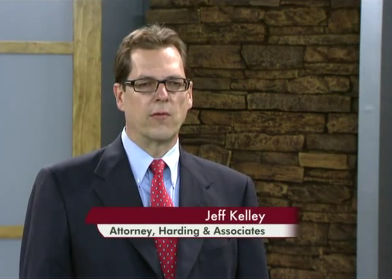
Jeff Kelley


Uninsured or Underinsured Pedestrian or Bicycle Accident

This summer we have seen a rush of pedestrian and bicycle accidents, but who pays the medical bills if that car driver in not insured? Here with answers, Jeff Kelleys’ an attorney with Harding and Associates, in for Phil Harding this Friday. Welcome back Jeff it’s always good to see you. We talk about this a lot the different rights that people have, whether they’re a pedestrian who are on motorcycles.

Today we’re talking more about bicyclists because a lot of people they bike to and from work and you all can help a lot of people like that because what if you’re hit by someone who doesn’t have insurance Jeff? Well that’s really important. We do have to dig down and find the coverage that will cover the bicyclists, and even we’ve talked about pedestrians, motorcycle passengers, and to see if there’s coverage there available from the person, the wrong doer, and if not, where do we go from there? Yeah, you’re always answering good questions and our viewers often write in, they go on the website, and they click in and they put in any questions. This viewer specifically said, “I was on my bike, a car hit me. The guy who was driving did not have insurance, what in the world so I do?”

What’s the first thing you do?

Well it’s a great question. The first thing that you would want to do is probably contact either an attorney or your insurance agent and see what kind of coverage is there because you need to find out if the automobile that struck you has insurance. Maybe they do, maybe they don’t, one in seven is uninsured in Colorado. One driver in seven. Do you get a lot of cases like this, like this gentleman is talking about? Yes we do and we have to dig down because sometimes people give up and they don’t think there’s coverage. What we do find out is the at fault driver if they have insurance we look to see if they have the minimum, the 25,000, that’s required by the Colorado law or if possible they have more.

If they have the minimum then they might be underinsured that’s when we look back to our own clients coverage that they may have one vehicle at home that they were not even in. That would be the UIM coverage that we would look that carrier and put them on notice that there could be a claim there.

So you’re saying, “Okay, I’m buying my own bicycle and a driver hits me, and they are not insured I can still be covered by my own insurance because I’ve got an umbrella policy on my house or I have the UIM.” That would be in another policy that hopefully we can have available to us and what it’s called is “stacking.” We would look at each policy available that you might have, either on your car or your homeowner’s insurance or might be an umbrella, that would include UM/UIM coverage and we would assemble that coverage to maximize the amount of insurance proceeds that are available for the injured person.

Okay, is there a difference? Let’s say I’m walking or is there a difference for when I’m walking or when I’m on a bicycle as opposed to when I’m on a motorcycle? Maybe. The thing is that your UM/UIM coverage follows you where you go. If you’re a pedestrian or you’re on a bicycle there’s not really a policy for that exact, like your bicycle. Sure, nobody has a policy on a bicycle, right. Correct. So as a pedestrian if you’re walking across the parking lot and you’re struck by a car that doesn’t stop perhaps or does stop and just doesn’t have the adequate insurance coverage that’s where you go back and look at your UM coverage that you have on another vehicle.

Even if you’re a resident’s relative of a residence and you don’t have a vehicle, but maybe another relative does in your own home that you’re residing you can look to that coverage possibly. Really? That’s what it takes, digging down and really finding these coverages that would be helpful to the injured person. I love that you all, you and Phil and your team, can help people make sure that they have the right kind of coverage you did that Ken Clark. I know you’re a big motorcyclist yourself, Ken Clark is a huge motorcyclist, you’re able to look at his specific coverage and let him know if he need to get more and if he needed to get an umbrella policy.

You were saying as a motorcycle rider you really are a big proponent of getting– of stacking like you say there’s umbrella policy, why is that?

Well because you can only protect yourself, you can control things that are within the realm of what you can do. What you can do is you can look at your insurance coverage, you can call your agent, you can call us, and you can find out what coverage that you are carrying that will help you in that event that’s the only thing you can control. You can’t control what the traffic is going to do, the other drivers’ going to do, so that’s why you look to the additional policies – the excesses – the term also would be “excess insurance coverage.” It will be above and beyond the other party’s liability coverage or perhaps if they have no coverage at all. Yeah. There are a lot of ladies who watch our show and when it comes to motorcycles a lot of times the ladies are passenger they’re riding on the back there.

Is there a different type of coverage that person needs to have as a passenger as opposed to the driver of the motorcycle?

You know that’s really interesting and we have talked about that on a prior show. That’s yet another layer, another insurance policy that need to be looked at – the policy that the driver of the motorcycle has on that motorcycle. The policy that the other vehicle has possible the passenger’s UM coverage that they might have on yet another vehicle, so it’s complicated but it’s not anything that is beyond getting through, looking through, and evaluating each policy that might be available. We actually have to resolve each one of those one by one. We settle those claims individually. It’s interesting, although the layering that you can do, like you say that the stacking, to really protect yourself, like you said, you can’t control someone hitting you but you can control how protected you are after the effects. Wonderful, wonderful advice this morning.

If you have any legal questions for Jeff or his colleagues, Phil Harding they will both love to hear from you. Just got to our website, coloradosbest.tv, look for Phil’s photo there, click on it, and they do take the time to answer each of your questions personally. To contact Harding and Associates directly here’s the number, 3037629500. You can also go online to hlaw.org. Thanks Jeff. Thank you.

By: Jeff Kelly


Uninsured or Underinsured Pedestrian or Bicycle Accident

This summer we have seen a rush of pedestrian and bicycle accidents, but who pays the medical bills if that car driver in not insured? Here with answers, Jeff Kelleys’ an attorney with Harding and Associates, in for Phil Harding this Friday. Welcome back Jeff it’s always good to see you. We talk about this a lot the different rights that people have, whether they’re a pedestrian who are on motorcycles.

Today we’re talking more about bicyclists because a lot of people they bike to and from work and you all can help a lot of people like that because what if you’re hit by someone who doesn’t have insurance Jeff? Well that’s really important. We do have to dig down and find the coverage that will cover the bicyclists, and even we’ve talked about pedestrians, motorcycle passengers, and to see if there’s coverage there available from the person, the wrong doer, and if not, where do we go from there? Yeah, you’re always answering good questions and our viewers often write in, they go on the website, and they click in and they put in any questions. This viewer specifically said, “I was on my bike, a car hit me. The guy who was driving did not have insurance, what in the world so I do?”

What’s the first thing you do?

Well it’s a great question. The first thing that you would want to do is probably contact either an attorney or your insurance agent and see what kind of coverage is there because you need to find out if the automobile that struck you has insurance. Maybe they do, maybe they don’t, one in seven is uninsured in Colorado. One driver in seven. Do you get a lot of cases like this, like this gentleman is talking about? Yes we do and we have to dig down because sometimes people give up and they don’t think there’s coverage. What we do find out is the at fault driver if they have insurance we look to see if they have the minimum, the 25,000, that’s required by the Colorado law or if possible they have more.

If they have the minimum then they might be underinsured that’s when we look back to our own clients coverage that they may have one vehicle at home that they were not even in. That would be the UIM coverage that we would look that carrier and put them on notice that there could be a claim there.

So you’re saying, “Okay, I’m buying my own bicycle and a driver hits me, and they are not insured I can still be covered by my own insurance because I’ve got an umbrella policy on my house or I have the UIM.” That would be in another policy that hopefully we can have available to us and what it’s called is “stacking.” We would look at each policy available that you might have, either on your car or your homeowner’s insurance or might be an umbrella, that would include UM/UIM coverage and we would assemble that coverage to maximize the amount of insurance proceeds that are available for the injured person.

Okay, is there a difference? Let’s say I’m walking or is there a difference for when I’m walking or when I’m on a bicycle as opposed to when I’m on a motorcycle? Maybe. The thing is that your UM/UIM coverage follows you where you go. If you’re a pedestrian or you’re on a bicycle there’s not really a policy for that exact, like your bicycle. Sure, nobody has a policy on a bicycle, right. Correct. So as a pedestrian if you’re walking across the parking lot and you’re struck by a car that doesn’t stop perhaps or does stop and just doesn’t have the adequate insurance coverage that’s where you go back and look at your UM coverage that you have on another vehicle.

Even if you’re a resident’s relative of a residence and you don’t have a vehicle, but maybe another relative does in your own home that you’re residing you can look to that coverage possibly. Really? That’s what it takes, digging down and really finding these coverages that would be helpful to the injured person. I love that you all, you and Phil and your team, can help people make sure that they have the right kind of coverage you did that Ken Clark. I know you’re a big motorcyclist yourself, Ken Clark is a huge motorcyclist, you’re able to look at his specific coverage and let him know if he need to get more and if he needed to get an umbrella policy.

You were saying as a motorcycle rider you really are a big proponent of getting– of stacking like you say there’s umbrella policy, why is that?

Well because you can only protect yourself, you can control things that are within the realm of what you can do. What you can do is you can look at your insurance coverage, you can call your agent, you can call us, and you can find out what coverage that you are carrying that will help you in that event that’s the only thing you can control. You can’t control what the traffic is going to do, the other drivers’ going to do, so that’s why you look to the additional policies – the excesses – the term also would be “excess insurance coverage.” It will be above and beyond the other party’s liability coverage or perhaps if they have no coverage at all. Yeah. There are a lot of ladies who watch our show and when it comes to motorcycles a lot of times the ladies are passenger they’re riding on the back there.

Is there a different type of coverage that person needs to have as a passenger as opposed to the driver of the motorcycle?

You know that’s really interesting and we have talked about that on a prior show. That’s yet another layer, another insurance policy that need to be looked at – the policy that the driver of the motorcycle has on that motorcycle. The policy that the other vehicle has possible the passenger’s UM coverage that they might have on yet another vehicle, so it’s complicated but it’s not anything that is beyond getting through, looking through, and evaluating each policy that might be available. We actually have to resolve each one of those one by one. We settle those claims individually. It’s interesting, although the layering that you can do, like you say that the stacking, to really protect yourself, like you said, you can’t control someone hitting you but you can control how protected you are after the effects. Wonderful, wonderful advice this morning.

If you have any legal questions for Jeff or his colleagues, Phil Harding they will both love to hear from you. Just got to our website, coloradosbest.tv, look for Phil’s photo there, click on it, and they do take the time to answer each of your questions personally. To contact Harding and Associates directly here’s the number, 3037629500. You can also go online to hlaw.org. Thanks Jeff. Thank you.

By: Jeff Kelly


How to Stack Auto Insurance Policies and Receive Proper Compensation After an Accident |…

Jeff Kelley


Paying Medical Bills Following Bicycle Collision

This summer, unfortunately it seems not a week goes by without a car versus bicycle accident. Despite ad campaigns about keeping our heads up, everybody, whether we’re driving or biking, we’ve had way too many of these accidents. We’re here to talk about what happens after this kind of an accident, and how to get your medical bills paid.

We have Jeff Kelly, he is an attorney with Harding & Associates, in for Phil Harding this Friday. Good to see you again. Good morning. Jeff, you were here last week, and you talked about an interesting concept I haven’t really even heard about before, and that’s about stacking insurance policies to make sure you’re actually getting all of the compensation that’s due you.

That’s correct. And to remind our viewers, you need to have a knowledgeable attorney in this area who will really dig into the different coverages available. And here is a graphic that we used last week. Maybe we could talk about this just for a minute.

Areas of Coverage

Yeah, just kind of a refresher here. Right. And the different areas that you look to for a coverage would be the owner of the car, if they have insurance, the driver of the car, are they insured? And if you have problems in those areas, there may not be insurance or enough insurance, and you look to your own UM, UIM coverage, which we know is Uninsured Motorist or Underinsured Motorist coverage. Yeah, we know that now because you all are always here educating us on UM and UIM.

All right, so we understand a little bit more about the stacking, so that says the car driver or even the passenger, or the person who’s been hit. But I would think it’s vital that we have an attorney who understands how to dig and find those different policies for example. Right. You know, it’s not just knowing about digging into finding each of these policies or coverages, but you absolutely have to give the proper notification.

Today I want to show our viewers how they can reduce what they have to pay back to health insurance, Medicaid, Medicare, and the like. Yeah. I think a lot of people including myself didn’t realize that you do have to pay it back. I just thought, “Okay, it’s covered, they pay for it.” But once you get these policies and they come in, sometimes you have to pay back the health insurance, right?

Yes. And that’s called subrogation. Subrogation is paying back any health or other insurance company money that they paid out for your medical care due to this accident. Three years ago Colorado passed a law that says, “Whenever an insurance company pays– whatever they pay out for you, needs to be reduced by the amount of your attorney’s fees.” Yeah, it was just three years ago. It was called the Make Whole Law. Here is a little bit of it, an excerpt from it, right? Yes, and I’d like the viewers to know that it’s important that it says, “The amount recoverable if any by the payer of benefits or reimbursement, or subrogation, shall be reduced by an amount equal to the payer of benefits proportionate share of the attorney’s fees and expenses incurred on behalf of the injured party in making a recovery.”

All right. So the two little tiny words, but if any. That’s a big deal. If any is paid back to the health insurance, is that correct?

Yes. Great eye for detail. The reason that that’s important is that the law says that if any, is because if you are not made whole, you generally do not have to pay back your health insurance. Let’s look at another portion of this law, of the Make Whole Law. It says, “Any provision in a policy contract or benefit plan allowing a required reimbursement for subrogation in circumstances in which the injured party has not been fully compensated, is void as against public policy.”

All right. So is this where you come in, Jeff? You and the rest of the team at Harding & Associates? You help the court decide or anyone decide if I have been made whole?

Yeah. I mean how do you prove you’ve been made whole or not? Great point. What we do is, this law describes this type of a determination. It’s set up by statue. In short, if you get the total amount of the insurance coverage as we went through those policies, and we’ll do that in a minute, then you are presumed not to have been made whole. And with this analysis that works with each policy that you can collect from. So if we could go back to that first graphic, I could go through this for– We may have a little bit of technical, our air on the graphics.

So let’s just talk about the different ones. So if the owner of the car, if they have insurance. Let’s say they get 25,000. Right?

Yes. What you do is, you go through an analysis with each policy. And let’s say potentially there is a $25,000 policy for the driver of the other car, $25,000 policy for the owner of the car, possibly a $25,000 UM, UIM policy on another vehicle you may own, then as you settle with each carrier, presuming you have damages that substantiate that type of a recovery. Then the health insurance company, based on the Make Whole Law, will defer recovery, and should defer recovery so you don’t have to pay back your health insurance each time you go through that analysis with each settlement. Okay. Now, I think it’s important here, because the Make Whole Law is relatively new. You said it’s only three years old. Yes. I didn’t even know about it. And you said there were actually attorneys who– they know that it exist, but they’re not actually even using it. That is key when you’re in an accident, to have an attorney like you and Phil, you’re digging for these other policies. And I think the point– it’s all wiggled, so I’m trying to keep up with you. So if you are getting the maximum, the 25,000, then basically they’re assuming, “Okay, you haven’t been made whole yet because you’re already getting the max.”

Correct. Am I reading that right? Right. The presumption is that a policy limit settlement presumes that you have damages that exceed that amount. So what you have to do is, you have to give the health insurance company, and they use a third-party administrator to recover monies for the health insurance company. You give them a 60-day notice, and they have that time period to evaluate it and look at it, and determine if they agree that the party has not been made whole by that policy when there is settlement. If they don’t agree, then you have to go to an arbitration with them. Okay. All right. Good stuff. Thank you so much.

You’re always educating us, you and Phil. If you have any legal questions for Jeff or his colleague Phil Harding, they would absolutely love to hear from you, and it’s easy to get a hold of them. You can go to our website coloradosbest.tv. Look for Phil’s photo there, there it is. Click on it, and they take the time and answer each of your questions personally. And many times they come on the show and address them right here on Colorado’s Best. To contact Harding & Associates directly, here is their number 303-762-9500. You can also go online to hlaw.org. Coming up.

By: Jeff Kelley

Paying Medical Bills Following Bicycle Collision

This summer, unfortunately it seems not a week goes by without a car versus bicycle accident. Despite ad campaigns about keeping our heads up, everybody, whether we’re driving or biking, we’ve had way too many of these accidents. We’re here to talk about what happens after this kind of an accident, and how to get your medical bills paid.

We have Jeff Kelly, he is an attorney with Harding & Associates, in for Phil Harding this Friday. Good to see you again. Good morning. Jeff, you were here last week, and you talked about an interesting concept I haven’t really even heard about before, and that’s about stacking insurance policies to make sure you’re actually getting all of the compensation that’s due you.

That’s correct. And to remind our viewers, you need to have a knowledgeable attorney in this area who will really dig into the different coverages available. And here is a graphic that we used last week. Maybe we could talk about this just for a minute.

Areas of Coverage

Yeah, just kind of a refresher here. Right. And the different areas that you look to for a coverage would be the owner of the car, if they have insurance, the driver of the car, are they insured? And if you have problems in those areas, there may not be insurance or enough insurance, and you look to your own UM, UIM coverage, which we know is Uninsured Motorist or Underinsured Motorist coverage. Yeah, we know that now because you all are always here educating us on UM and UIM.

All right, so we understand a little bit more about the stacking, so that says the car driver or even the passenger, or the person who’s been hit. But I would think it’s vital that we have an attorney who understands how to dig and find those different policies for example. Right. You know, it’s not just knowing about digging into finding each of these policies or coverages, but you absolutely have to give the proper notification.

Today I want to show our viewers how they can reduce what they have to pay back to health insurance, Medicaid, Medicare, and the like. Yeah. I think a lot of people including myself didn’t realize that you do have to pay it back. I just thought, “Okay, it’s covered, they pay for it.” But once you get these policies and they come in, sometimes you have to pay back the health insurance, right?

Yes. And that’s called subrogation. Subrogation is paying back any health or other insurance company money that they paid out for your medical care due to this accident. Three years ago Colorado passed a law that says, “Whenever an insurance company pays– whatever they pay out for you, needs to be reduced by the amount of your attorney’s fees.” Yeah, it was just three years ago. It was called the Make Whole Law. Here is a little bit of it, an excerpt from it, right? Yes, and I’d like the viewers to know that it’s important that it says, “The amount recoverable if any by the payer of benefits or reimbursement, or subrogation, shall be reduced by an amount equal to the payer of benefits proportionate share of the attorney’s fees and expenses incurred on behalf of the injured party in making a recovery.”

All right. So the two little tiny words, but if any. That’s a big deal. If any is paid back to the health insurance, is that correct?

Yes. Great eye for detail. The reason that that’s important is that the law says that if any, is because if you are not made whole, you generally do not have to pay back your health insurance. Let’s look at another portion of this law, of the Make Whole Law. It says, “Any provision in a policy contract or benefit plan allowing a required reimbursement for subrogation in circumstances in which the injured party has not been fully compensated, is void as against public policy.”

All right. So is this where you come in, Jeff? You and the rest of the team at Harding & Associates? You help the court decide or anyone decide if I have been made whole?

Yeah. I mean how do you prove you’ve been made whole or not? Great point. What we do is, this law describes this type of a determination. It’s set up by statue. In short, if you get the total amount of the insurance coverage as we went through those policies, and we’ll do that in a minute, then you are presumed not to have been made whole. And with this analysis that works with each policy that you can collect from. So if we could go back to that first graphic, I could go through this for– We may have a little bit of technical, our air on the graphics.

So let’s just talk about the different ones. So if the owner of the car, if they have insurance. Let’s say they get 25,000. Right?

Yes. What you do is, you go through an analysis with each policy. And let’s say potentially there is a $25,000 policy for the driver of the other car, $25,000 policy for the owner of the car, possibly a $25,000 UM, UIM policy on another vehicle you may own, then as you settle with each carrier, presuming you have damages that substantiate that type of a recovery. Then the health insurance company, based on the Make Whole Law, will defer recovery, and should defer recovery so you don’t have to pay back your health insurance each time you go through that analysis with each settlement. Okay. Now, I think it’s important here, because the Make Whole Law is relatively new. You said it’s only three years old. Yes. I didn’t even know about it. And you said there were actually attorneys who– they know that it exist, but they’re not actually even using it. That is key when you’re in an accident, to have an attorney like you and Phil, you’re digging for these other policies. And I think the point– it’s all wiggled, so I’m trying to keep up with you. So if you are getting the maximum, the 25,000, then basically they’re assuming, “Okay, you haven’t been made whole yet because you’re already getting the max.”

Correct. Am I reading that right? Right. The presumption is that a policy limit settlement presumes that you have damages that exceed that amount. So what you have to do is, you have to give the health insurance company, and they use a third-party administrator to recover monies for the health insurance company. You give them a 60-day notice, and they have that time period to evaluate it and look at it, and determine if they agree that the party has not been made whole by that policy when there is settlement. If they don’t agree, then you have to go to an arbitration with them. Okay. All right. Good stuff. Thank you so much.

You’re always educating us, you and Phil. If you have any legal questions for Jeff or his colleague Phil Harding, they would absolutely love to hear from you, and it’s easy to get a hold of them. You can go to our website coloradosbest.tv. Look for Phil’s photo there, there it is. Click on it, and they take the time and answer each of your questions personally. And many times they come on the show and address them right here on Colorado’s Best. To contact Harding & Associates directly, here is their number 303-762-9500. You can also go online to hlaw.org. Coming up.

By: Jeff Kelley

12
Personal Injury lawyers listing in CO.